

A quick reminder that voting is open!
We're currently nominated for Animal Rescue Centre of the Year in the West Midlands My Local Awards.
If you've supported our business and think we deserve your vote, we'd really appreciate it.
Vote here:
Voting closes 6 October 2026.
PLEASE CLICK HERE for our Summer 2026 newsletter!!!
Update - July 2026
July has been a whirlwind for us at Stour Valley Rescue, with us being at max capacity for most of the month as we take in lots of new furry friends, and even more kittens! We welcomed plenty of new arrivals into the rescue, including Meadow and her three kittens, Darla, Logan, Milo, Lila, Percy, Dottie, Heather, Rowan, Myrtle, Tash and Purdy.
Fortunately, some of our residents left to join their forever homes this month: Howie, Simba, Darla, Rosie, Jim, Michael and Pop, with Charlie due to leave in the beginning of August. We wish all of them the very best with their new families!
Thank you to everyone who attended our Quiz Night at the beginning of the month and helped to make it a success. Our next fundraiser event is a Jumble Sale being held on the 8th August at Wollaston Village Hall, we hope to see you there!
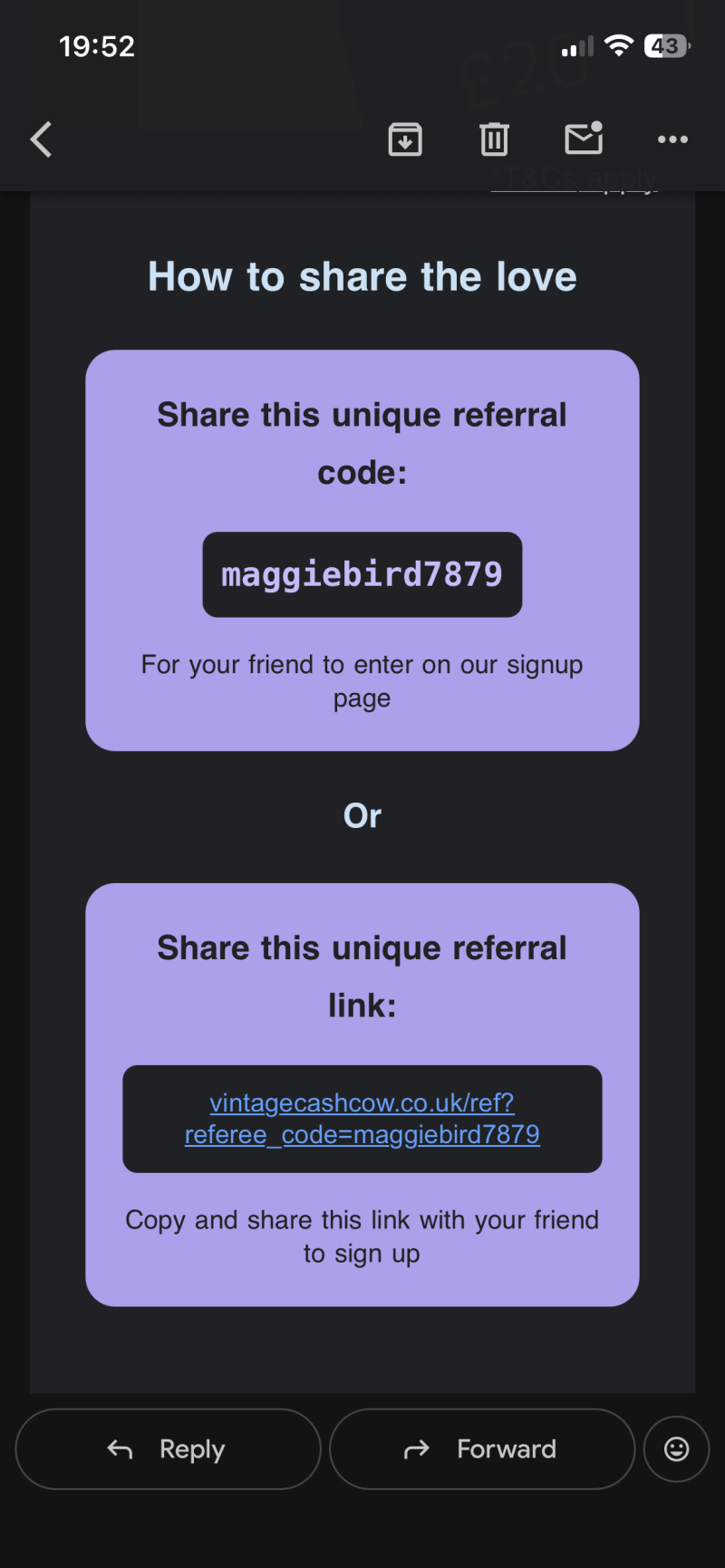
We're continuing to use the Vintage Cash Cow code maggiebird7879 to receive Asda vouchers and have received lots of referrals that all go towards cat food. Thank you for the support!
To find out more ways to help please look on our Donate, Events and Volunteer pages on this website. We appreciate any and all contributions!
Thank you 😸🐾

FIV / FELV cats
Some of our cats unfortunately have FIV/FELV but we try to reassure potential adopters that it is entirely safe for humans, dogs, and other non-feline pets to own cats with FIV (Feline Immunodeficiency Virus) or FeLV (Feline Leukemia Virus). These viruses are species-specific, meaning they cannot be transmitted to humans.
While a positive diagnosis is not a death sentence, it does require a commitment to specific, long-term management to ensure a good quality of life for the cat, especially if the cat is white (due to higher sensitivity to sun-related issues, though this is not directly related to the virus).
Here is a breakdown of what you need to know:
1. Understanding the Risks
Safety to Humans/Other Species: Zero risk. Humans cannot catch FIV or FeLV.
Safety to Other Cats:
FIV: Relatively low risk. Spreads mainly through deep bite wounds (fighting). FIV+ cats can live with negative cats if they are neutered and peaceful.
FeLV: High risk. Highly contagious, spreading through casual contact like grooming, sharing food bowls, and litter boxes. FeLV+ cats should only live with other FeLV+ cats.
Outlook: Many FIV/FeLV cats can live long, comfortable, and happy lives, particularly if diagnosed early and kept as indoor-only cats.
2. Caring for a Positive Cat
Keep Them Indoors: This protects your cat from catching secondary infections and keeps other cats safe.
Veterinary Care: Regular, frequent check-ups (ideally every 6 months) are essential to catch secondary infections early.
Parasite & Dental Care: Strict, regular flea/worm control and good dental hygiene are crucial.
Diet: Do not feed raw food or unpasteurized dairy, as these can carry bacteria that are dangerous to immunocompromised cats.
Environment: Minimize stress, as it can lower their immune system.